Have you ever looked at your car in direct sunlight and noticed a web of fine scratches that make the paint look dull and aged? Those are swirl marks, and they are the enemy of gloss. If you're looking for the premier paint correction Sydney Hills has to offer, understanding the meticulous process of restoring your paint is the first step to achieving a genuine show-car finish.
Table of Contents
1. What Exactly is Paint Correction?
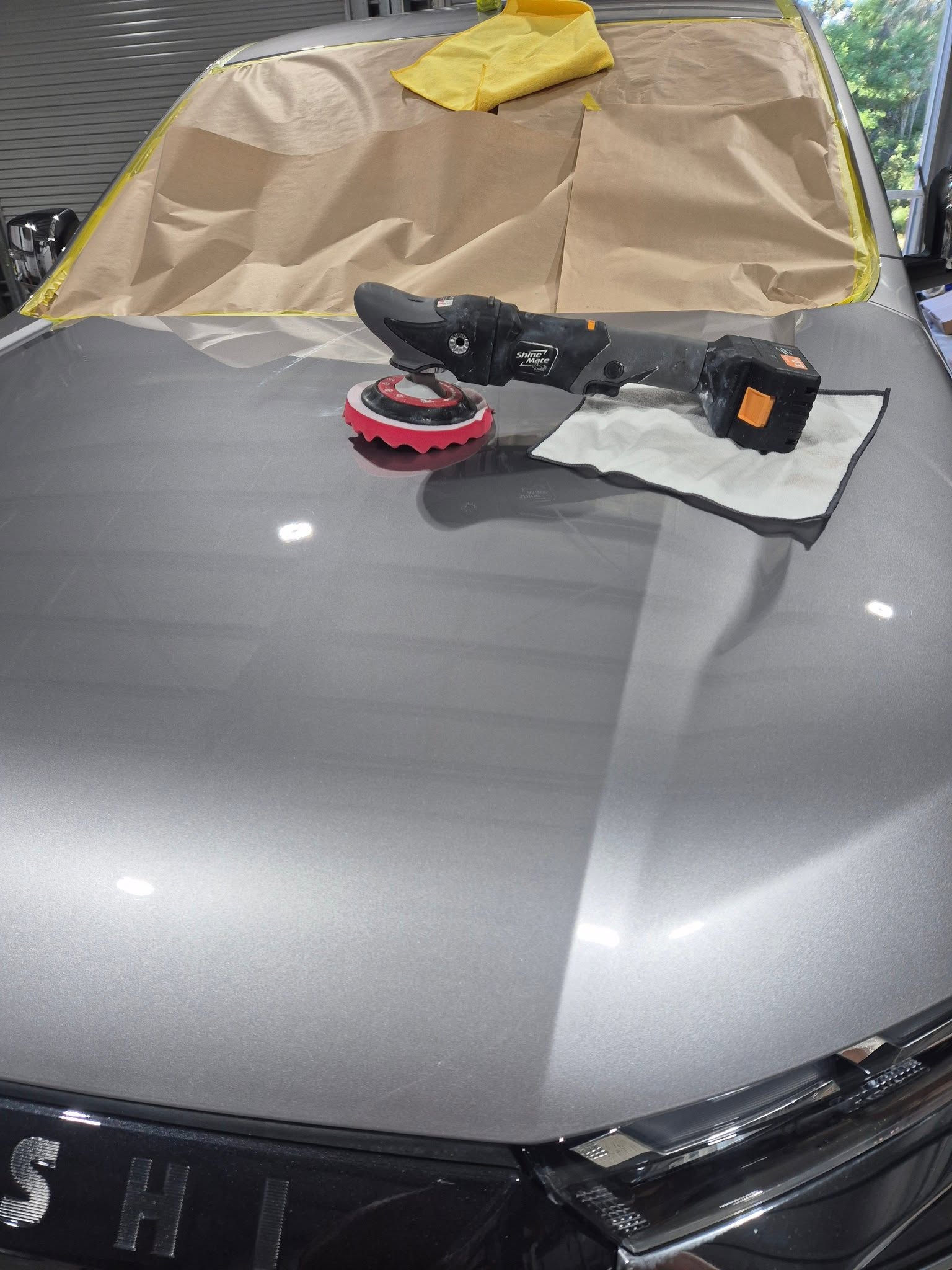
Paint correction is the mechanical leveling of a vehicle's clear coat to remove surface imperfections such as swirl marks, light scratches, water spots, bird dropping etching, and oxidation. By using machine polishers, specialized pads, and abrasive compounds, a professional detailer safely shaves away microscopic layers of the clear coat until the surface is completely flat and smooth.
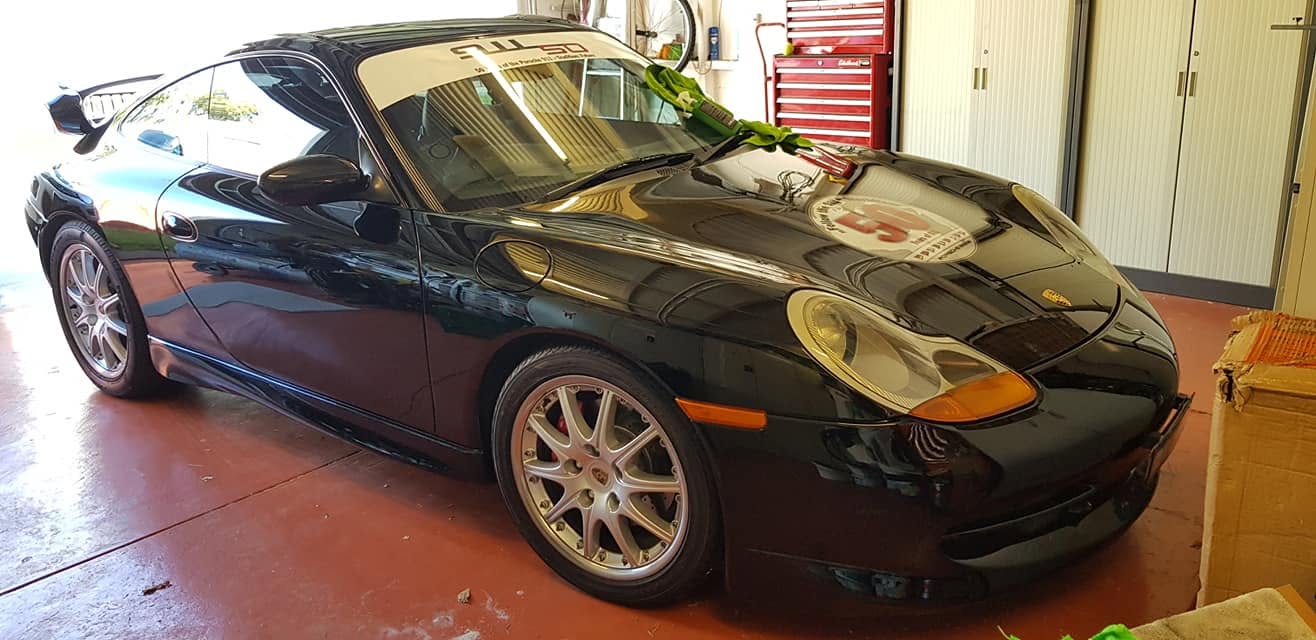
Gloss is entirely dependent on how light reflects off the surface of your vehicle. When your clear coat is covered in microscopic scratches, the light scatters in different directions, causing the paint to look dull, faded, or "spider-webbed." When the clear coat is perfectly flat after correction, light reflects directly back, creating that deep, wet, mirror-like finish that defines a show car.
It's important to note that paint correction is not a quick polish. It is a highly skilled, time-consuming process that requires an intimate understanding of paint thickness, heat management, and abrasive technology.
2. What Causes Swirl Marks and Scratches?
The vast majority of paint imperfections are inflicted during the washing and drying process. Automated car washes with spinning brushes are notorious for violently slapping dirt and grit against your paint, causing heavy scratching. Even hand washing can cause severe swirl marks if improper techniques are used, such as using a single bucket or drying the car with a dirty chamois.
Other common causes include wiping dust off the car with a dry cloth, brushing up against the vehicle, and environmental factors like hard water drying on the surface. For residents in areas like Box Hill or Riverstone, dust and road grime are constant battles, making proper wash techniques essential to maintaining a scratch-free finish.
3. The Paint Correction Process Explained
A true paint correction begins long before a machine polisher is turned on. The vehicle must be meticulously washed and chemically decontaminated to remove iron particles and tar. Next, a clay bar treatment is performed to pull embedded contaminants out of the clear coat, leaving the surface feeling smooth as glass.
Once the paint is surgically clean, the correction phase begins. Depending on the severity of the defects, this may involve multiple stages:
- Cutting (Heavy Correction): Using a heavy cutting compound and an aggressive pad to level deep scratches and severe oxidation.
- Polishing (Refinement): Using a finer polish and a softer pad to remove the micro-marring left behind by the cutting stage and restore clarity to the clear coat.
- Jeweling (Final Finish): Using an ultra-fine polish to maximize gloss and create a flawless, mirror-like reflection.
Throughout this process, a paint thickness gauge is used constantly to ensure that safe amounts of clear coat are being removed. This level of precision is what separates the best paint correction Sydney Hills has to offer from a standard, rushed buff-and-shine.
4. Correction vs. Glazes and Fillers
Many volume detailers and cheap car washes offer "cut and polish" services that look great when you pick up the car, but look terrible after a few washes. This is because they use products loaded with glazes and heavy fillers.
Fillers temporarily hide scratches by filling them in with oils or silicones. They do not remove the defect; they simply mask it. After a few washes with a strong soap, the fillers wash away, revealing all the original scratches and swirl marks.
True paint correction permanently removes the defects by leveling the clear coat. What you see is what you get. At Groom Garage, we never use fillers. We believe in genuine, permanent results that stand up to our obsessive show-car standards.
5. Protecting the Finish After Correction
Once your paint has been meticulously corrected to a flawless finish, it is completely bare and vulnerable. It is absolutely critical to protect the newly leveled clear coat immediately.
While traditional waxes or sealants can be used, the ultimate protection is a professional ceramic coating. A ceramic coating locks in the flawless finish, providing extreme gloss, UV resistance, and a hardened sacrificial layer that helps prevent future swirl marks. If you've invested the time and money into a multi-stage paint correction, a ceramic coating is the only logical choice to protect that investment.
6. Why Experience Matters
Paint correction is an art form. In the hands of an inexperienced operator, a machine polisher can quickly burn through the clear coat, causing thousands of dollars in permanent damage. It requires patience, precision, and an obsessive eye for detail.
Tony Portelli has spent 30 years perfecting the art of paint. His background in street rods and the show-car circuit means he understands paint on a level that most detailers simply do not. Based in Maraylya and servicing the entire Hills and Hawkesbury region, Groom Garage operates by appointment only. We don't rush; we focus entirely on bringing your vehicle's paint to a state of absolute perfection.